A friend asked me over coffee what the least glamorous part of running the studio is. I didn’t have to think for long. It’s the money admin. The pretty part of my job is palettes and typography and choosing the right serif for a food blog. The rest is fees, invoices, currency conversions, and a folder of tax documents I tidy up every Friday afternoon.
I used to file all of that under “later”. Later arrived in March of my second year, when I sat down with a shoebox of receipts and found 600 euro of expenses I’d never recorded and one invoice I’d accidentally sent to a client twice. She paid it twice as well, which is how I learned that tidiness is a form of politeness. This is the studio-notes version of how money actually moves through a tiny design business that sells to people in about forty countries, with real numbers, because the numbers are the useful part.
Every sale pays a toll

My templates cost 49 to 79 euro and my custom projects start at 2,000. Those two kinds of sale behave completely differently once the money starts moving. A custom project arrives by bank transfer in one or two payments, and the cost of receiving it is a flat fee. Templates arrive by card, one small sale at a time, from everywhere on the map, and every single one pays a toll to somebody in the middle.
Take a template sale at 30 dollars. I ran a spring sale at that price last year and sold 84 copies in a week. The card processor takes 2.9% plus 30 cents, so 1 dollar 17 of a 30 dollar sale is gone before it reaches me. When the buyer’s card is issued outside my country there is a cross-border fee on top, and because her currency is dollars and mine is euros there is a conversion fee as well. I opened the payout report for one of those sales expecting 30 dollars and found 27.96. It is a small number to lose on one sale and a large number to lose a hundred times.
The fee surprise I remember best was my own fault. In my first year I priced a set of add-on graphics at 35 euro and paid for a font licence out of the same week’s sales. When the dust settled, the fees had eaten roughly 12% of that week’s card income and my profit for the week was 41 euro. The fonts were the right choice. The pricing was the wrong one. These days every small product is priced with the fee already folded in, so the number on the product page is the number I can actually spend.
Marketplace sales have their own arithmetic. On the platform where I list two themes, the commission is 30%, and the payout lands on the 15th of the following month. A 60 euro theme sold there nets 42 euro, and it arrives weeks after the buyer clicked the button, so I never count marketplace money in the month I earned it. My own shop pays out faster and keeps more of every sale, which is one of the reasons the newest designs always launch at home first.
Sales come from everywhere. Last month the shop took money in euros, dollars, pounds, Australian dollars, and one payment in Polish zloty from a woman in Kraków who wanted a custom header. Each currency used to arrive in its own little silo and I’d go hunting for it at the end of the month. The studio’s business account is with Reap, which handles the multi-currency side so a sale in euros and a sale in dollars land in the same place and I can see what actually arrived after conversion. Having one balance to look at changed my Fridays. I check the account, I see the week, I close the tab. Cross-border payments from custom clients now cost a flat fee instead of the 30 to 40 euro my old bank used to skim off the top, and over a year that difference buys a new monitor.
Invoices and two separate piles of money
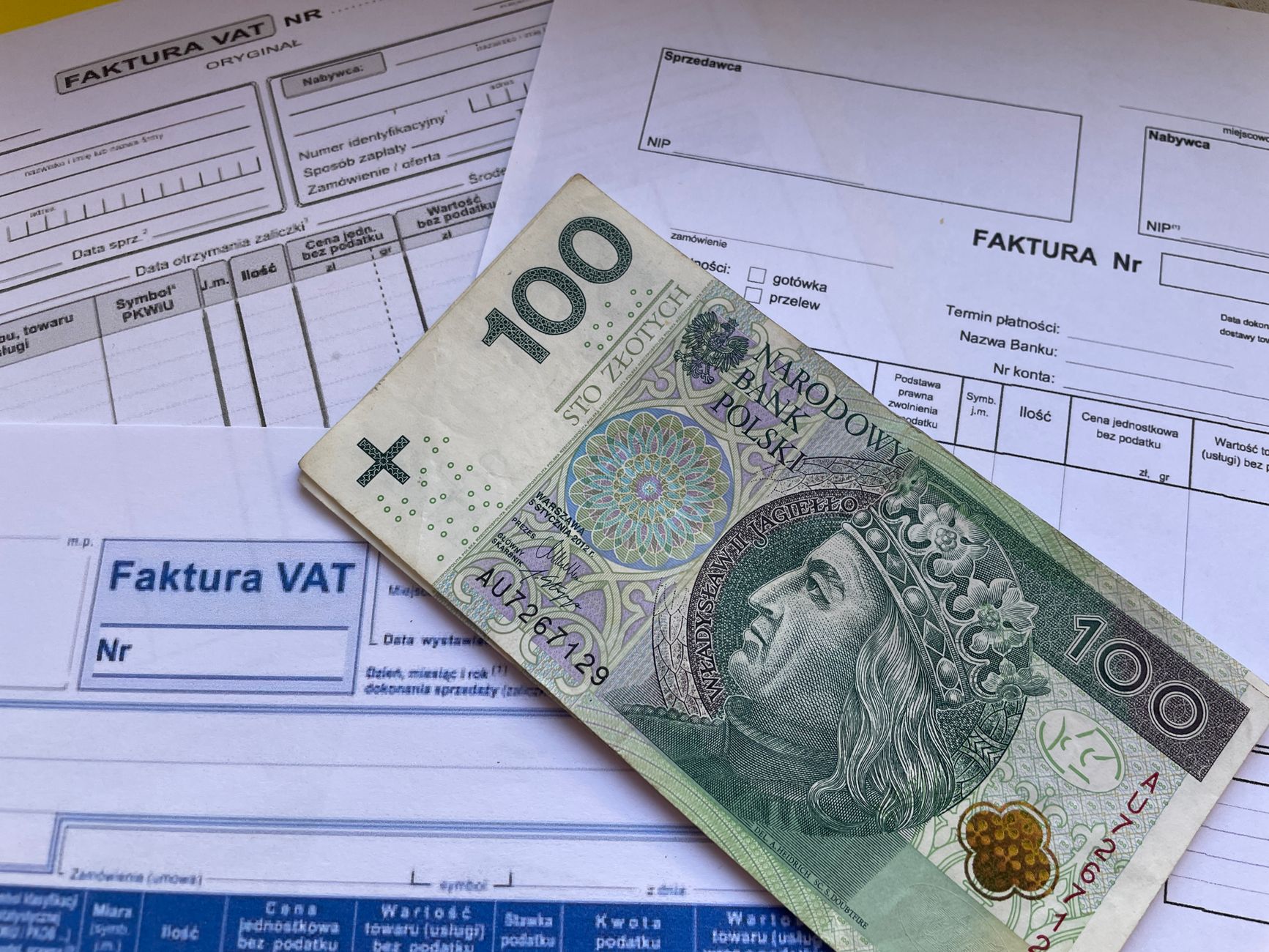
My invoices are boring on purpose. Each one carries a number (KB-2026-041, running in one sequence since 2019), the date, what the work was in plain words, the payment methods I accept, the due date, and the terms. Fourteen days for custom work, immediately for templates, 40% deposit before I open any design software. When a client in Melbourne paid a deposit in Australian dollars last autumn, the invoice listed the AUD total and the euro figure at that day’s rate, and neither of us had to discuss what 40% meant. The wire took four days and arrived 12 euro short, because her bank charged an outgoing fee and mine took one for receiving. Now every international invoice says “sender pays all fees”, and the number that lands is the number on the page.
The best financial decision I ever made cost 8 euro a month: a second bank account for the studio. Before that, everything lived in one balance. A template launch felt like a windfall and a new desk chair felt affordable, right up until a tax bill arrived in a slow month. Now the studio’s money sits in one place and my groceries come from another. I pay myself a fixed transfer on the 3rd of each month, and the studio account keeps a float of about two months of expenses, so a quiet quarter is a shrug rather than a panic.
The year everything was mixed together, I spent money I was holding for the tax office on a sofa. Beautiful sofa, sage green, still in the living room. Putting the tax money back took nine careful months, and I did my accounts at the kitchen table with invoices spread around the sofa cushions, which felt like a lesson delivered in upholstery.
Tax money is already spent

Every payment that lands in the studio account, I move 28% of it into a separate pot the same day. I think of that pot as money that belongs to the tax office and merely visits my account on the way through. The percentage comes from my accountant, who looked at two full years of my numbers and said 28% covers income tax and my country’s small-business contributions with a little margin left over. If your number is different, the mechanic is the same either way: pick the percentage with someone who knows the rules where you live, then move it before you can spend it.
Twice a year the pot empties into the tax payment and I feel nothing at all, which is exactly the point. The money was never mine to begin with. The first year I did this properly was the first tax season I slept through, and my accountant billed me 60 euro a month for the privilege of telling me which receipts I’m allowed to keep. Worth every cent.
None of this is design work. It takes about ninety minutes a week: Friday afternoon, bank tab open, invoices reconciled, tax moved, receipts filed into folders named after quarters. That ninety minutes is what buys me the other four and a half days of fonts and palettes and clients who send me photos of their new blogs out in the wild. The pretty part of the job keeps existing because the boring part runs on schedule. I do the boring part on Fridays, with coffee and a good playlist, and then I close the tabs and go back to colour.